
Realidades 2 Capítulo 1B Answer Key PDF: A Comprehensive Guide
This guide provides detailed answers for Realidades 2 Capítulo 1B practice, covering core concepts, vocabulary, and workbook sections like 1B-1, 1B-2, and 1B-8.
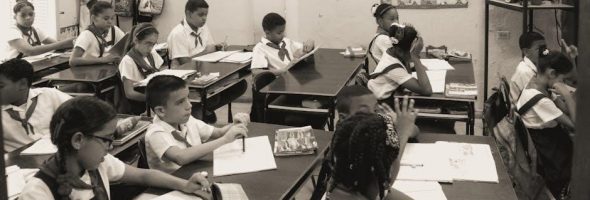
Realidades 2 is a widely-used high school Spanish textbook series, designed to build upon foundational language skills established in Realidades 1. This second level delves deeper into grammar, vocabulary, and cultural understanding, preparing students for more advanced Spanish communication. Capítulo 1B specifically focuses on extracurricular activities, music, and drama, requiring students to articulate their interests and routines.
Accessing a comprehensive answer key, particularly in PDF format, is crucial for effective self-study and homework completion. Students can verify their understanding of concepts, identify areas needing improvement, and build confidence in their Spanish abilities. The Realidades 2 workbook offers core practice exercises – 1B-1, 1B-2, and 1B-8 being key examples – that demand accurate application of learned material. This guide aims to support learners navigating these exercises and mastering Capítulo 1B’s content.
What is Realidades 2?
Realidades 2 represents the second year of a popular, communicative Spanish curriculum, typically undertaken by high school students. It builds directly upon the foundations laid in Realidades 1, expanding grammatical structures and introducing more complex vocabulary. The program emphasizes practical language use, encouraging students to engage in conversations about everyday life and personal interests.
This textbook series, published by Savvas Learning (formerly Pearson), incorporates a variety of learning activities, including dialogues, readings, and interactive exercises. Capítulo 1B, in particular, centers around discussing after-school activities, musical preferences, and involvement in dramatic arts. A corresponding practice workbook provides reinforcement, with core practices like 1B-1, 1B-2, and 1B-8 designed to solidify understanding. Access to a reliable answer key is vital for independent learning and accurate self-assessment.
The Importance of the Answer Key
An accurate Realidades 2 Capítulo 1B answer key is indispensable for students striving for mastery of the Spanish language. It allows for self-directed learning, enabling students to check their work on core practice exercises (1B-1, 1B-2, 1B-8, and beyond) and identify areas needing further attention.
Beyond simple correctness, the answer key facilitates a deeper understanding of grammatical concepts and vocabulary related to extracurricular activities, music, and drama. It supports independent study, reduces reliance on teacher intervention for every question, and builds confidence. Access to solutions, whether through a PDF, online platforms, or AI tools, empowers students to take ownership of their learning journey and achieve better results in their Spanish coursework.
Capítulo 1B: Core Concepts
Realidades 2 Capítulo 1B centers on extracurricular activities, discussing music, drama, and routines using key phrases like “Qué haces después de las clases?”
Theme: Extracurricular Activities
Realidades 2 Capítulo 1B heavily emphasizes discussing what students do after school, focusing on a wide range of extracurricular activities. The chapter introduces vocabulary and grammatical structures necessary to articulate participation in clubs, sports, and artistic pursuits. Students learn to express their interests and involvement, building conversational skills around daily routines and hobbies.
Key to this theme is the question “¿Qué haces después de las clases?” which serves as a springboard for describing activities. The curriculum explores how to talk about both regular commitments and past experiences related to these pursuits. Understanding this theme is crucial for completing practice exercises like Core Practice 1B-2, which focuses on describing routines, and 1B-3, which delves into past experiences.
The chapter aims to equip learners with the language tools to confidently discuss their lives outside of the classroom.
Talking About After-School Activities
Realidades 2 Capítulo 1B centers on enabling students to communicate about their after-school routines and interests. This involves mastering verbs like jugar (to play), and learning vocabulary related to various activities – from sports (básquetbol) to clubs and hobbies. The chapter emphasizes expressing frequency and duration of these activities, utilizing time expressions and appropriate verb tenses.
Students practice formulating sentences to describe what they do after school, and what they used to do, building upon foundational grammar concepts. Core Practice 1B-2 specifically targets describing daily routines, while 1B-3 focuses on past experiences. The ability to discuss these activities is fundamental to the chapter’s communicative goals.
Successfully navigating these exercises requires a solid grasp of relevant vocabulary and grammatical structures.
Music and Drama in Capítulo 1B
Realidades 2 Capítulo 1B integrates cultural elements of music and drama into its learning objectives, expanding beyond simple after-school activity descriptions. Students explore vocabulary related to musical genres and theatrical performances, learning to express preferences and opinions about these art forms.
The chapter encourages discussions about attending concerts, plays, or participating in school productions. This includes understanding terms for different types of performances – documentaries, children’s stories, and book-film adaptations – as seen in practice exercises.
Students develop the ability to talk about their involvement, or lack thereof, in musical or dramatic pursuits. This builds communicative competence in a culturally relevant context, enriching their Spanish language skills.

Key Vocabulary in Capítulo 1B
Essential vocabulary focuses on describing extracurricular activities, music, and drama, including key verbs like jugar and terms for artistic pursuits.
Essential Verbs for Describing Activities
Realidades 2 Capítulo 1B centers around discussing after-school routines, making specific verbs crucial for student comprehension. Key verbs include hacer (to do/make), essential for phrases like “¿Qué haces después de las clases?” (What do you do after school?).
Jugar (to play) is vital when talking about sports or games, often used with locations like el parque (the park). Tener (to have) appears frequently when expressing interests – “tiene interés en” (has an interest in).
Students will also encounter verbs related to artistic pursuits, though less emphasized in core practice. Mastering these verbs allows for detailed descriptions of daily life and hobbies, forming the foundation for more complex sentence structures.
Vocabulary Related to Music
While not the primary focus of Capítulo 1B, Realidades 2 introduces musical vocabulary within the broader context of extracurricular activities. Students will encounter terms relating to enjoying music and potentially participating in musical groups.
Expect to find words describing musical forms, such as un documental (a documentary), which could relate to music-based films. The chapter encourages discussion about preferences, prompting the use of descriptive adjectives.
Though the core practice doesn’t heavily emphasize instruments or genres, understanding basic musical terms enhances comprehension of dialogues and cultural notes. This vocabulary builds a foundation for future chapters with more in-depth musical exploration.
Vocabulary Related to Drama
Realidades 2 Capítulo 1B integrates vocabulary related to drama as another extracurricular activity alongside music. Students will learn terms associated with theatrical performances and participation in dramatic arts.
The chapter introduces phrases for discussing involvement in dramatic groups, like a coro (choir – sometimes encompassing dramatic performance). Expect vocabulary related to storytelling and performance types, potentially including un cuento (a children’s story or fairy tale) or una adaptación de un libro al cine (a book-film adaptation).
While not a central theme, this vocabulary expands students’ ability to discuss hobbies and interests, enriching their conversational skills within the context of after-school activities.

Practice Workbook Sections & Answers
This section details answers for core practice sections 1B-1, 1B-2, 1B-3, and the comprehensive review 1B-8, aiding student comprehension and skill development.
Core Practice 1B-1: Understanding the Basics
Core Practice 1B-1 focuses on foundational vocabulary and grammatical structures essential for discussing daily routines and extracurricular activities. This practice introduces students to key verbs like jugar (to play) and related terms for locations such as parque (park).
Answers typically involve completing sentences describing what individuals do after school, utilizing present tense verb conjugations. For example, students might answer “Yo juego al fútbol en el parque” (I play soccer in the park). The practice reinforces understanding of basic sentence structure and proper article usage.
Successfully completing 1B-1 demonstrates a grasp of fundamental Spanish concepts, preparing students for more complex exercises in subsequent practices. It builds a solid base for expressing personal activities and preferences;
Core Practice 1B-2: Describing Routines
Core Practice 1B-2 builds upon the foundation of 1B-1, challenging students to articulate their after-school routines with greater detail and complexity. This section emphasizes the use of reflexive verbs and time expressions to convey habitual actions.
Answers often require students to describe a typical day, incorporating phrases like “Después de las clases, yo me lavo las manos” (After school, I wash my hands). Correct responses demonstrate accurate verb conjugation and appropriate use of pronouns.
The practice aims to solidify students’ ability to communicate daily schedules and personal habits in Spanish, fostering fluency and confidence in expressing themselves. Mastering this practice is crucial for progressing to more advanced conversational topics.
Core Practice 1B-3: Past Experiences
Core Practice 1B-3 shifts the focus to recounting past events, introducing the preterite tense in a practical context. Students are prompted to share experiences related to extracurricular activities, music, or drama, utilizing verbs in their past forms.
Answers frequently involve describing what they did last year or during a previous school term, for example, “Yo jugué al baloncesto el año pasado” (I played basketball last year). Accuracy in preterite conjugation is paramount, alongside correct pronoun usage.
This practice reinforces the ability to narrate past events, building a foundation for more complex storytelling and conversational skills. Successfully completing 1B-3 demonstrates a growing command of Spanish grammar and vocabulary.
Core Practice 1B-8: Review and Consolidation
Core Practice 1B-8 serves as a comprehensive review of all concepts introduced in Capítulo 1B, solidifying student understanding before progressing further. This section typically includes a variety of exercises, encompassing vocabulary, grammar, and communicative tasks.
Answers require students to demonstrate proficiency in describing routines, discussing extracurricular activities, and utilizing both present and preterite tenses accurately. Expect questions involving verb conjugations, sentence construction, and contextual application of learned vocabulary.
Successfully navigating 1B-8 indicates a strong grasp of the chapter’s core elements, preparing students for subsequent chapters and assessments. It’s a crucial checkpoint for gauging overall comprehension.
Specific Answer Key Details
This section delivers precise answers for specific pages – 1 & 2 – and focuses on key questions like “¿Qué haces después de las clases?” for clarity.
Answers for Page 1 (Getting Ready)
Page 1 of the Realidades 2 Capítulo 1B Core Practice focuses on discussing the things one needs to do to get ready. Answers will vary as students describe their personal routines. Expect responses detailing activities like showering, getting dressed, and eating breakfast.
The practice emphasizes using reflexive verbs to describe getting ready. Correct answers demonstrate proper verb conjugation and accurate vocabulary related to daily routines. Students should be able to articulate what they do to prepare for the day, utilizing phrases like “Me ducho” or “Me visto”.
Darso Luucation, Inc. materials provide a framework, but student responses are individualized. The goal is to demonstrate understanding of reflexive verbs and vocabulary in a practical context. Review student answers for grammatical accuracy and clarity of expression.
Answers for Page 2 (Getting Ready ‒ Continued)
Continuing from Page 1, Realidades 2 Capítulo 1B’s second page of Core Practice further explores the theme of getting ready, building upon reflexive verb usage. Student responses will detail additional preparation steps, expanding on their morning or evening routines.
Expect answers incorporating time-related phrases to indicate when these activities occur. Correct responses demonstrate accurate verb conjugation and appropriate vocabulary for describing daily habits. Examples include “Me cepillo los dientes a las siete” or “Me peino después de ducharme.”
The focus remains on personalized descriptions, allowing students to showcase their understanding of reflexive verbs in context. Assess answers for grammatical correctness, vocabulary precision, and the ability to convey a clear and logical sequence of actions.

Answers Related to “Qué haces después de las clases?”
The question “¿Qué haces después de las clases?” is central to Realidades 2 Capítulo 1B, prompting students to describe their extracurricular activities. Answers should demonstrate proficiency in using verbs like jugar, practicar, and asistir to articulate after-school routines.
Expect responses detailing participation in sports (básquetbol, karate), clubs, or musical endeavors. Correct answers will utilize appropriate prepositions (a, de) and time expressions. For example, “Después de las clases, practico el piano” or “Asisto al club de español los martes.”
Assess for accurate verb conjugation, correct gender agreement, and the ability to form complete, coherent sentences. Student responses should reflect a personal connection to the topic, showcasing their individual interests and activities.
Resources for Finding Answers
Numerous online platforms, PDF readers with answer key features, and emerging AI-powered tools can assist students in locating Realidades 2 solutions.
Online Platforms with Realidades 2 Solutions
Several websites specialize in providing solutions for popular textbooks like Realidades 2. These platforms often feature dedicated sections for each chapter and practice workbook assignment. For instance, sites offering step-by-step solutions to Realidades 2: Practice Workbook 2 (ISBN 9780130360021) are readily available.
Students can typically find answers to Core Practice exercises, such as 1B-1, 1B-2, and 1B-8, along with solutions for “Getting Ready” pages (pages 1 & 2). Some platforms offer both free and premium access, with premium subscriptions unlocking more detailed explanations and additional resources. Utilizing these online resources can significantly aid in homework completion and exam preparation, providing a valuable supplement to classroom learning.
Utilizing PDF Readers with Answer Key Features
Modern PDF reader applications often incorporate features that can assist students with accessing answer keys. Some readers allow for form-filling and highlighting, which can be useful when completing workbook exercises. More advanced tools, like those with integrated AI, can even offer grammar checking, paraphrasing, and proofreading capabilities directly within the PDF document.
Furthermore, certain PDF readers support annotation features, enabling students to add notes and questions directly onto the pages. While a dedicated Realidades 2 answer key PDF might not always be directly available, these features can enhance the learning process and facilitate self-assessment. Exploring the functionalities of your preferred PDF reader can unlock valuable study aids.
AI-Powered Tools for Answer Assistance
Leveraging Artificial Intelligence (AI) offers a novel approach to finding assistance with Realidades 2 Capítulo 1B. Several online platforms now integrate AI chat functionalities, allowing students to upload PDF pages from their practice workbooks and receive targeted answers or explanations. These tools can analyze questions, identify relevant vocabulary, and even provide grammar corrections.
However, it’s crucial to use these resources responsibly. AI should supplement, not replace, independent study. Verify the accuracy of AI-generated responses and focus on understanding the underlying concepts. Some AI tools also offer grammar checkers, paraphrasers, and proofreaders, enhancing the learning experience and aiding comprehension of the material.
Troubleshooting Common Issues
Students often face difficulties locating specific answers or understanding complex explanations within the Realidades 2 Capítulo 1B answer key, especially with varied textbook editions.
Difficulty Locating Specific Answers
Finding precise answers within the Realidades 2 Capítulo 1B answer key can be challenging. The workbook’s organization, coupled with multiple practice sections (like 1B-1, 1B-2, and 1B-8), sometimes makes pinpointing solutions frustrating for students.
Often, the issue isn’t a lack of answers, but rather difficulty navigating the PDF or online resource. Page numbers, while referenced, may vary slightly depending on the textbook edition. Furthermore, questions are sometimes rephrased or presented in a different order in online platforms.
Utilizing the search function within your PDF reader (Ctrl+F or Cmd+F) and entering keywords from the question is a helpful strategy. Remember to check both the student workbook and accompanying teacher resources if available, as they may contain different levels of detail.
Understanding Answer Explanations
Simply having the correct answer isn’t always enough; grasping why an answer is correct is crucial for mastering Realidades 2 Capítulo 1B concepts. Many answer keys provide minimal explanation, focusing solely on the solution.
When encountering a challenging problem, especially those involving verb conjugations or sentence structure related to extracurricular activities, refer back to the chapter’s grammar explanations. Consider the context of “Qué haces después de las clases?” and how it applies to the question.
Online platforms and AI-powered tools can sometimes offer more detailed breakdowns, but always verify their accuracy. Don’t hesitate to seek clarification from your teacher or classmates if the answer key’s explanation is insufficient.
Dealing with Variations in Textbook Editions
Realidades 2 textbooks can have slight variations between editions, impacting page numbers and even problem wording. An answer key for one edition might not perfectly align with another. Always double-check that your answer key corresponds to your specific textbook version.
If you’re using a digital resource, confirm it’s updated for the current edition. Minor discrepancies in phrasing are common, so focus on understanding the underlying grammatical concept rather than strict word-for-word matching.
When discrepancies arise, consult your teacher or a reliable online forum dedicated to Realidades 2. Comparing your textbook’s problem with solutions from multiple sources can help pinpoint the correct answer.
Additional Support Materials
Enhance your learning with grammar reviews, cultural insights, and practice quizzes specifically designed for Realidades 2 Capítulo 1B, aiding comprehension.
Grammar Review for Capítulo 1B
Realidades 2 Capítulo 1B heavily emphasizes verb conjugations, particularly those used when discussing extracurricular activities and routines. Students should review the present tense of regular -ar, -er, and -ir verbs, alongside common irregular verbs like tener (to have) and hacer (to do/make).
A key grammatical focus is the use of tener + age to express how old someone is, and tener + interest in activities. Understanding stem-changing verbs is also crucial, as many verbs related to hobbies and interests fall into this category.
Pay close attention to reflexive verbs, often used to describe daily routines (e.g., lavarse ‒ to wash oneself). Finally, practice forming simple sentences using subject pronouns and appropriate verb endings to accurately describe what you and others do after school.
Cultural Notes Relevant to the Chapter
Realidades 2 Capítulo 1B introduces students to common extracurricular activities enjoyed by teenagers in Spanish-speaking countries. These often include participation in coros (choirs) and various sports like básquetbol (basketball).
The chapter subtly highlights the importance of community and group activities within Hispanic cultures. Students will encounter references to musical performances and theatrical productions, reflecting a strong tradition of artistic expression.
It’s important to note that family involvement in a student’s activities can be significant, and extracurriculars are often seen as valuable opportunities for social development and skill-building. Understanding these cultural nuances enriches comprehension of the chapter’s content.
Practice Quizzes and Assessments
To solidify understanding of Realidades 2 Capítulo 1B, supplemental practice quizzes are invaluable. These assessments should focus on key vocabulary related to extracurricular activities, music, and drama, as well as verb conjugations used to describe routines.
Quizzes can incorporate a variety of question types, including fill-in-the-blanks, multiple choice, and short answer responses requiring students to describe their own after-school activities.
Regular assessments, mirroring the format of the workbook’s Core Practice sections (1B-1, 1B-2, 1B-8), help identify areas needing further review. Utilizing online platforms offering interactive quizzes provides immediate feedback and reinforces learning.