

Herbal Tea Guide: A Comprehensive Overview (Updated 12/22/2025)
Herbal teas are celebrated for their refreshing qualities and diverse health benefits, offering a soothing experience and promoting overall wellness through natural compounds.
What are Herbal Teas?

Herbal teas, often called tisanes, are beverages made from the infusion or decoction of herbs, spices, flowers, fruits, or other plant material. Unlike traditional teas – black, green, white, or oolong – which come from the Camellia sinensis plant, herbal teas are naturally caffeine-free, making them a popular choice for those seeking a calming and healthful drink.

These infusions have been enjoyed for centuries across various cultures, valued for their medicinal properties and delightful flavors. From the soothing chamomile to the invigorating peppermint, herbal teas offer a wide range of tastes and potential benefits. They are a comforting and accessible way to incorporate the power of plants into your daily routine, promoting both physical and mental well-being.
The Difference Between Herbal Teas and True Teas
The fundamental distinction lies in their origin. “True” teas – black, green, white, and oolong – are derived from the leaves of the Camellia sinensis plant. Herbal teas, conversely, are infusions made from a diverse array of other plant parts, including herbs, spices, flowers, and fruits. This key difference results in varying chemical compositions and effects.
True teas naturally contain caffeine and tannins, contributing to their stimulating and sometimes astringent qualities. Herbal teas are typically caffeine-free, offering a relaxing alternative. While true teas boast antioxidants like catechins, herbal teas provide a different spectrum of beneficial plant compounds. Essentially, herbal teas aren’t “tea” in the strict botanical sense, but rather flavorful infusions with unique properties.
Benefits of Drinking Herbal Tea
Herbal teas offer a wealth of potential health advantages, stemming from their rich composition of antioxidants, vitamins, and plant compounds. These beverages are celebrated for their ability to support overall wellness, providing a natural boost to the body’s defenses. Many varieties, like peppermint and ginger, actively aid digestion, alleviating bloating and soothing discomfort after meals.
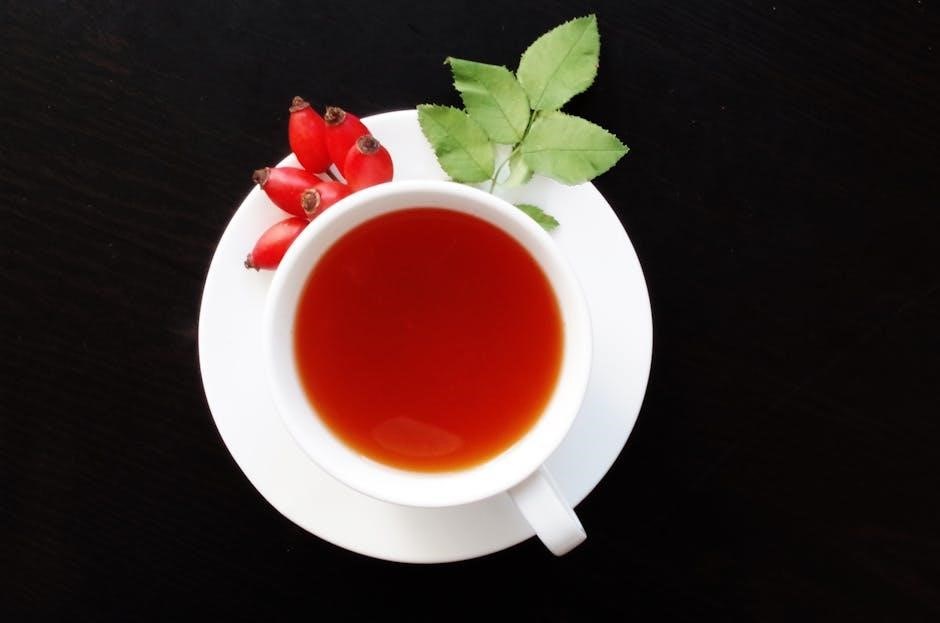
Furthermore, herbal teas are packed with antioxidants, which combat free radicals and contribute to cellular health. Regular consumption can promote a sense of calm and relaxation, while specific blends offer targeted support for various ailments, making them a versatile addition to a healthy lifestyle.
Antioxidant Properties & Overall Wellness
Herbal teas are naturally abundant in antioxidants, powerful compounds that play a crucial role in protecting the body from oxidative stress caused by free radicals; This protective action contributes significantly to overall wellness, potentially reducing the risk of chronic diseases and supporting cellular health.
The rich antioxidant content found in teas like hibiscus helps neutralize these harmful molecules, bolstering the immune system and promoting longevity. Regular consumption can contribute to a healthier complexion, improved cognitive function, and a general sense of vitality. These teas offer a delicious and accessible way to enhance your daily antioxidant intake.
Digestive Health & Herbal Teas
Many herbal teas possess remarkable properties that can significantly aid digestive health, offering relief from common discomforts and promoting a balanced gut. Peppermint and ginger teas, for example, are renowned for their ability to soothe the digestive tract, alleviate bloating, and reduce nausea.
These teas work by relaxing the muscles in the gastrointestinal system, allowing for smoother digestion and reducing cramping. They can be particularly beneficial after meals, helping to ease feelings of fullness and discomfort. Incorporating these herbal remedies into your routine can contribute to improved digestive wellness and overall gut health.
Popular Herbal Tea Varieties
The world of herbal teas is incredibly diverse, offering a wide range of flavors and benefits to suit every preference. Chamomile tea stands out for its calming properties, often enjoyed before bed to promote relaxation and sleep. Peppermint tea provides a refreshing and invigorating experience, while also aiding digestion.
Ginger tea is a potent remedy for nausea and inflammation, offering warmth and comfort. Echinacea tea is valued for its immune-boosting qualities, helping the body fight off illness. Finally, hibiscus tea delivers a tart and fruity flavor, packed with Vitamin C and antioxidants. Exploring these varieties unlocks a world of wellness!

Chamomile Tea: For Relaxation and Sleep
Chamomile tea is renowned for its gentle, floral aroma and calming effects, making it a popular choice for those seeking relaxation and improved sleep quality. This beloved herbal infusion contains compounds like apigenin, an antioxidant that may bind to certain receptors in the brain, potentially decreasing anxiety and initiating sleep.
Traditionally used to soothe nerves and reduce stress, chamomile tea offers a natural alternative to conventional sleep aids. Enjoying a warm cup before bedtime can create a peaceful ritual, preparing both mind and body for restful slumber. Its mild flavor and comforting warmth further enhance its appeal.
Peppermint Tea: Digestive Aid & Refreshment
Peppermint tea is widely recognized for its invigorating flavor and remarkable digestive benefits, offering a refreshing and soothing experience. The active compound, menthol, found in peppermint leaves, helps relax the muscles of the gastrointestinal tract, easing symptoms like bloating, indigestion, and stomach discomfort.
Many find peppermint tea particularly helpful after meals, promoting smoother digestion and reducing gas. Beyond its digestive properties, peppermint tea provides a revitalizing boost, making it an excellent choice any time of day. Its cool, minty aroma can also help clear sinuses and freshen breath, offering a holistic sense of well-being.
Ginger Tea: Nausea Relief & Anti-Inflammatory Effects
Ginger tea is a time-honored remedy, celebrated for its potent ability to alleviate nausea and its impressive anti-inflammatory properties. The key bioactive compound, gingerol, is responsible for these benefits, effectively calming the stomach and reducing feelings of queasiness, making it ideal for motion sickness or morning sickness.
Beyond nausea relief, ginger tea supports overall wellness by combating inflammation throughout the body, potentially easing muscle soreness and joint pain. It’s a warming and invigorating beverage, particularly comforting during colder months. Regularly consuming ginger tea may also contribute to improved digestion and a strengthened immune system, offering a holistic approach to health.

Echinacea Tea: Immune System Support
Echinacea tea has long been recognized as a powerful ally in bolstering the immune system, offering a natural defense against common illnesses. Derived from the Echinacea plant, this herbal infusion is believed to stimulate the production of white blood cells, the body’s primary defense against infection.
Traditionally used to ward off colds and flu, echinacea tea may shorten the duration and severity of symptoms. It’s particularly beneficial when consumed at the first sign of illness. Beyond its antiviral properties, echinacea possesses anti-inflammatory effects, contributing to overall immune health. Regular consumption can help fortify the body’s natural defenses, promoting resilience and well-being.
Hibiscus Tea: Rich in Vitamin C & Antioxidants
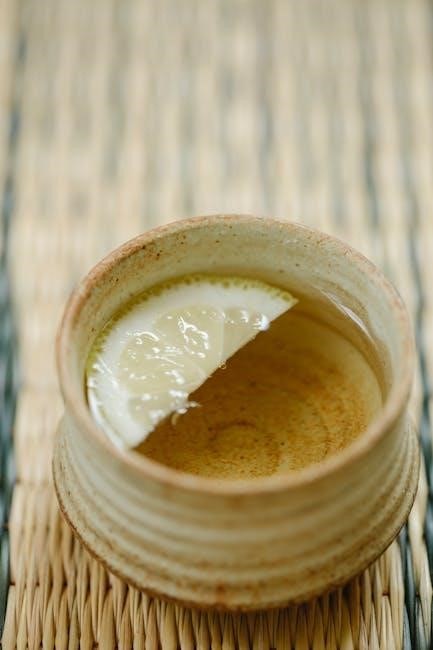
Hibiscus tea, celebrated for its vibrant color and tart flavor, is a nutritional powerhouse brimming with Vitamin C and potent antioxidants. These compounds play a crucial role in protecting the body against free radical damage, contributing to overall health and vitality.

Regular consumption of hibiscus tea may support a healthy immune system and reduce the risk of chronic diseases. Its high antioxidant content helps combat oxidative stress, promoting cellular health. Furthermore, hibiscus tea has been linked to potential benefits for blood pressure management and cholesterol levels. Enjoying a cup offers a delicious and refreshing way to boost your antioxidant intake and support your well-being.
Herbal Teas for Specific Ailments
Herbal teas offer targeted support for various health concerns, providing natural remedies to alleviate symptoms and promote healing. When battling a cold or flu, teas like echinacea and elderberry can bolster the immune system, while ginger tea soothes nausea and congestion.
For those experiencing stress and anxiety, chamomile and lavender teas are renowned for their calming properties, promoting relaxation and restful sleep. Peppermint tea can ease digestive discomfort, while ginger aids in reducing inflammation. Selecting the right herbal tea allows for a holistic approach to wellness, addressing specific ailments with nature’s gentle power.
Teas for Cold & Flu Symptoms
When a cold or flu strikes, certain herbal teas can provide significant relief from uncomfortable symptoms. Echinacea tea is a powerful immune system supporter, helping the body fight off infection more effectively. Elderberry tea is also known for its antiviral properties, shortening the duration of illness.
Ginger tea offers soothing relief from nausea and congestion, while its anti-inflammatory effects can ease a sore throat. Enjoying these teas provides hydration and warmth, crucial during illness. Combining these herbal remedies with rest and proper nutrition supports a faster and more comfortable recovery from cold and flu symptoms.
Teas for Stress & Anxiety
In today’s fast-paced world, managing stress and anxiety is crucial for overall well-being, and certain herbal teas can be incredibly beneficial. Chamomile tea remains a classic choice, renowned for its calming properties and ability to promote relaxation, aiding in sleep.

Peppermint tea, while often associated with digestion, can also ease tension headaches and reduce feelings of stress. Lavender tea offers a floral aroma and gentle calming effect, helping to soothe the nerves. Regularly incorporating these teas into your routine can provide a natural and comforting way to manage daily stressors and cultivate a sense of inner peace.
Brewing the Perfect Cup of Herbal Tea
Achieving the optimal flavour and benefits from herbal teas relies on mastering the brewing process. Generally, water temperature is key; avoid boiling water, as it can scorch delicate herbs. Instead, aim for around 200-212°F (93-100°C) for most varieties.
Steeping time varies – typically 5-10 minutes is sufficient, but always check the specific herb’s recommendations. Sweeteners like honey or agave can be added, but many prefer to enjoy the natural flavours. Add-ins such as lemon or ginger can enhance both taste and health benefits. Experiment to discover your perfect cup!
Water Temperature & Steeping Time
Precise water temperature and steeping time are crucial for extracting the full flavour and therapeutic properties of herbal teas. Boiling water can damage delicate floral herbs like chamomile, so aim for 200-212°F (93-100°C). Root-based teas, such as ginger, benefit from hotter water.
Steeping time generally ranges from 5-10 minutes. Shorter steeps yield milder flavours, while longer steeps create bolder, more potent brews. Experimentation is encouraged! Leafy herbs typically require less time than roots or barks. Always refer to specific herb guidelines for optimal results and enjoy a perfectly brewed cup.
Sweeteners & Add-ins
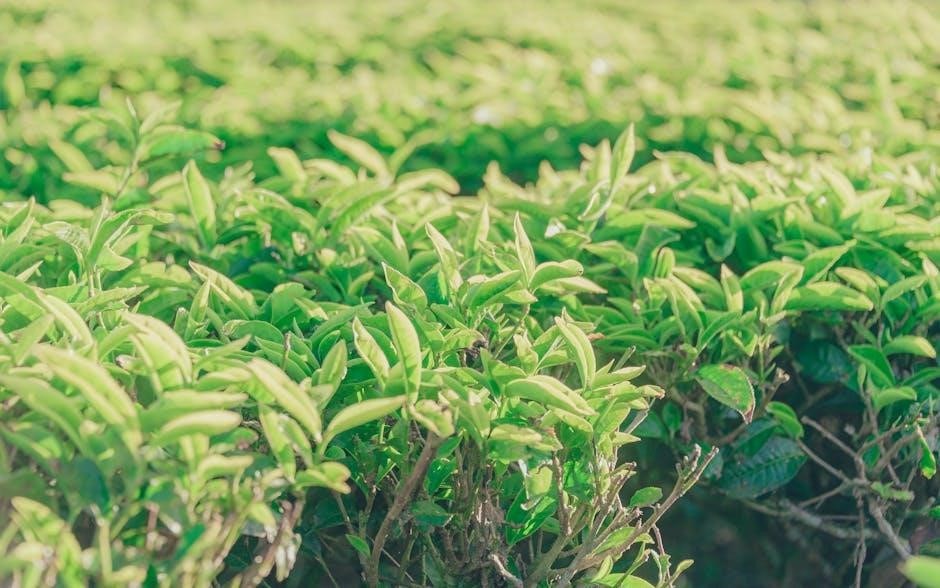
While many appreciate herbal teas in their pure form, sweeteners and add-ins can enhance the experience. Natural options like honey, maple syrup, or agave nectar complement the herbal flavours without overpowering them. A squeeze of lemon or lime brightens the taste and adds Vitamin C.
For a creamy texture, consider a splash of plant-based milk like almond or oat milk. Spices such as cinnamon, cloves, or cardamom can add warmth and complexity. Remember to start with small amounts and adjust to your preference, allowing the herbal notes to shine through.
Potential Side Effects & Precautions
Although generally safe, herbal teas can have potential side effects and require precautions. Individuals taking medications should be aware of potential interactions, as some herbs can amplify or diminish drug effects. Allergic reactions are possible, so introduce new teas gradually and monitor for symptoms like skin rashes or breathing difficulties.
Pregnant or breastfeeding women should consult a healthcare professional before consuming certain herbal teas, as some may not be safe. Excessive consumption of certain teas, like those containing senna, can cause digestive upset. Always source teas from reputable suppliers to ensure quality and purity, avoiding potential contaminants.
Interactions with Medications
Herbal teas, while natural, can interact with pharmaceutical medications, potentially altering their effectiveness or increasing side effects. For example, St. John’s Wort, often used for mood support, can interfere with antidepressants, birth control pills, and blood thinners. Ginger and garlic, known for their blood-thinning properties, may enhance the effects of anticoagulant drugs.
It’s crucial to consult a healthcare provider before combining herbal teas with any prescribed medications. Certain teas can affect liver enzymes responsible for drug metabolism, leading to altered drug levels in the body; Always disclose your herbal tea consumption to your doctor to ensure safe and effective treatment.
Allergies & Sensitivities
Individuals can experience allergic reactions or sensitivities to various herbs found in herbal teas. Common allergens include chamomile (related to ragweed), echinacea, and mint. Symptoms can range from mild skin rashes and itching to more severe reactions like difficulty breathing or anaphylaxis, though the latter is rare.
If you have known plant allergies, introduce new herbal teas cautiously, starting with a small amount to monitor for any adverse effects. Pay attention to your body’s response and discontinue use if you notice any concerning symptoms. Always check ingredient lists carefully and opt for teas from reputable brands that clearly label potential allergens.
Recent Research on Herbal Tea Compounds
Cutting-edge research is continually unveiling the complex chemical composition of herbal teas and their impact on health. A recent study from Hokkaido University has meticulously identified novel lipids within certain herbal teas for the first time. This detailed analysis lays the groundwork for investigating how these lipids contribute to the observed health benefits.
These findings suggest a deeper understanding of the mechanisms behind herbal tea’s positive effects is emerging. Researchers are exploring the potential of these compounds to support various bodily functions, moving beyond traditional knowledge towards scientifically validated benefits. Further studies are planned to fully elucidate these connections.
Lipid Identification & Health Benefits (Hokkaido University Study)
The Hokkaido University study represents a significant advancement in understanding the nuanced composition of herbal teas. Researchers successfully identified previously unknown lipids present within various herbal infusions, marking a crucial step towards unlocking their potential health benefits. This detailed lipid profiling provides a foundation for future investigations into specific compound-function relationships.
Initial findings suggest these lipids may play a role in antioxidant activity and anti-inflammatory processes. While further research is needed to confirm these effects and determine optimal dosages, the study offers promising insights into the complex interplay between herbal tea compounds and human health. This work paves the way for targeted research and potential therapeutic applications.