

Lectin-Free Food List: A Comprehensive Guide (Updated 12/03/2025)
Discover a detailed, downloadable lectin-free food list PDF, essential for navigating this dietary approach. Resources offer guidance on permitted foods—grass-fed meats, leafy greens, and specific fruits—while avoiding grains, legumes, and certain seeds.
What are Lectins?
Lectins are a large and diverse family of proteins found naturally in plants, animals, and even humans. They’re essentially carbohydrate-binding proteins, meaning they latch onto sugar molecules. While present in many foods, certain lectins have garnered attention due to their potential to interfere with the digestive process and nutrient absorption.
These proteins act as a defense mechanism for plants, protecting them from insects and other threats. However, when consumed by humans, some lectins can bind to the lining of the digestive tract, potentially causing inflammation and disrupting gut health. The degree to which lectins affect individuals varies greatly, and much of the current understanding is based on observational data and the theories proposed by Dr. Steven Gundry.
It’s important to note that not all lectins are harmful. Many foods containing lectins are also incredibly nutritious. The focus of a lectin-free approach isn’t necessarily to eliminate all lectins, but rather to reduce intake of those considered most problematic, as detailed in available lectin-free food list PDFs and resources.
Why Consider a Lectin-Free Diet?
Individuals explore a lectin-free diet for a variety of reasons, often centered around perceived improvements in health and well-being. Many report experiencing weight loss, reduced inflammation, and alleviation of autoimmune symptoms. Some, like Kelly Clarkson, have publicly credited the diet with positive changes, sparking increased interest.
The core idea is that by minimizing lectin intake, you can reduce gut irritation and allow the digestive system to function more optimally. Proponents believe this can lead to better nutrient absorption, improved energy levels, and a stronger immune system. Those with conditions like arthritis, as mentioned in Mayo Clinic discussions, may seek relief from joint pain.
However, it’s crucial to approach this diet with informed awareness. Consulting a healthcare professional is recommended before making significant dietary changes. Utilizing a comprehensive lectin-free food list PDF can help ensure a balanced and nutritionally adequate approach, avoiding unnecessary restrictions while targeting potentially problematic lectins.
The Core Principles of a Lectin-Free Approach
The foundation of a lectin-free approach centers on minimizing consumption of foods containing these proteins. This isn’t simply about elimination; it’s about understanding which lectins are considered most problematic and focusing on avoidance of those sources. A detailed lectin-free food list PDF becomes an indispensable tool for navigating this.
Key principles include prioritizing grass-fed and grass-finished meats (in moderation – around 4oz per week), pasture-raised eggs, and non-nightshade vegetables, particularly leafy greens. Fruits are generally permitted, but specific varieties are favored. Healthy fats like olive, avocado, and coconut oil are encouraged.
Conversely, grains, legumes (beans, lentils, peanuts), nightshade vegetables (tomatoes, potatoes, eggplant, peppers), and most seeds and nuts are largely excluded. Dairy containing A1 protein is also avoided. The Gundry Diet, a popular protocol, exemplifies these principles, emphasizing personalized adjustments based on individual tolerance. Success relies on diligent label reading and mindful cooking methods to further reduce lectin content.

Foods to Avoid: The High-Lectin List
A comprehensive lectin-free food list PDF highlights grains, legumes, nightshades (tomatoes, potatoes), and certain seeds as primary sources of lectins requiring strict avoidance for dietary success.
Grains: A Major Source of Lectins
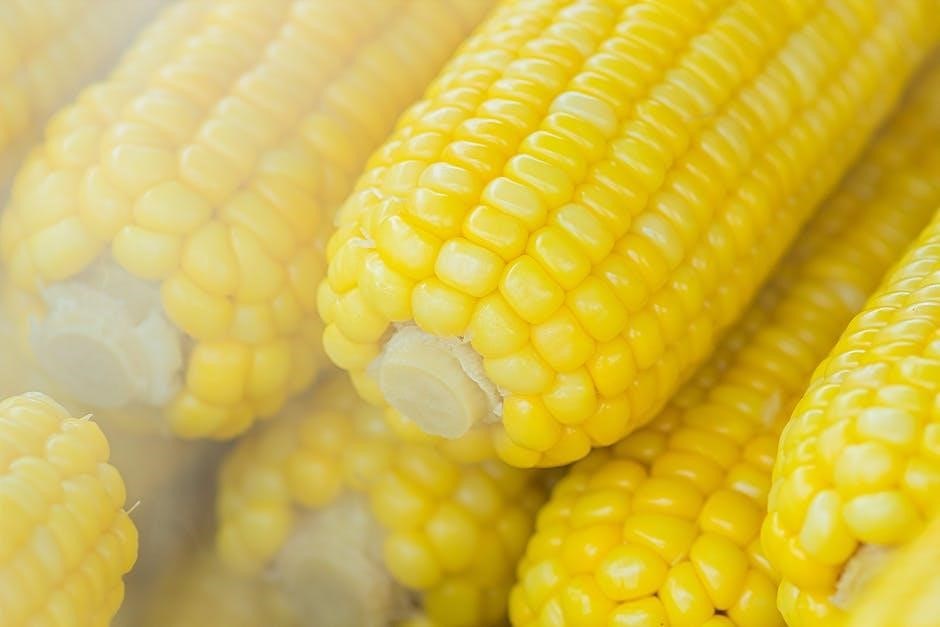
Grains represent a significant source of lectins, making their elimination central to a lectin-free food list PDF and dietary protocol. Commonly consumed grains like wheat, corn, rice, and teff contain various lectins, such as zein (found in corn), which can potentially interfere with nutrient absorption and gut health.
A detailed lectin-free food list PDF will explicitly exclude all forms of wheat – including spelt, kamut, and farro – due to their high lectin content. Similarly, conventional corn products, including cornmeal and cornstarch, are typically avoided. While some individuals may tolerate white rice in limited quantities, many lectin-free approaches recommend avoiding all rice varieties.
Understanding the specific lectins present in each grain is crucial. The lectin-free food list PDF often provides this information, empowering individuals to make informed choices. Alternatives to grains, such as cauliflower rice or zucchini noodles, are frequently suggested to maintain dietary variety without compromising lectin avoidance.
Legumes: Beans, Peas, Lentils, and Peanuts
Legumes – encompassing beans, peas, lentils, and peanuts – are consistently flagged as high-lectin foods on any comprehensive lectin-free food list PDF. These plant-based proteins contain significant amounts of lectins that proponents of the diet believe can disrupt digestive processes and contribute to inflammation.
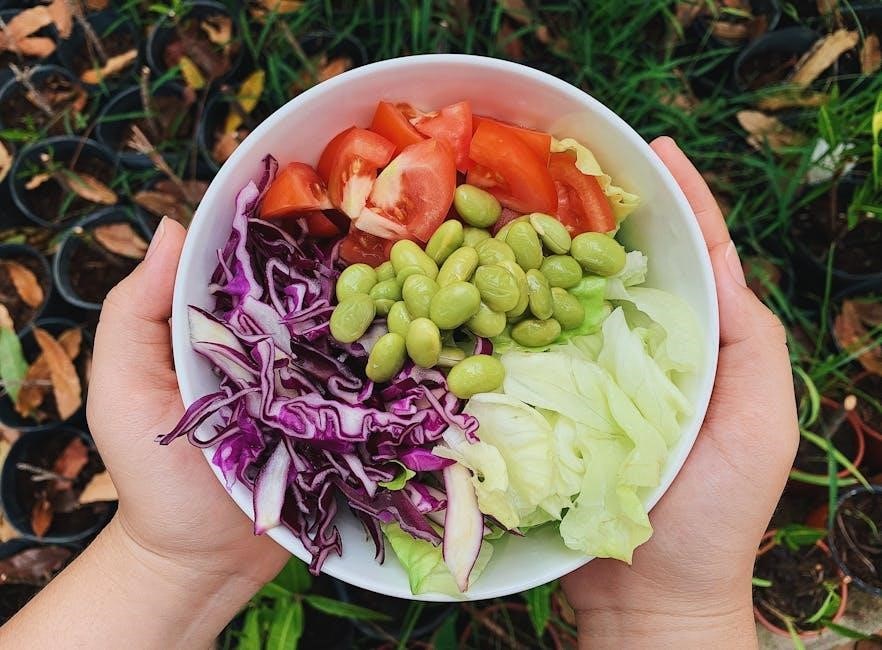
A detailed lectin-free food list PDF will unequivocally exclude all varieties of beans, including kidney beans, black beans, and soybeans (and products derived from them, like edamame and tofu). Similarly, peas, lentils, and peanuts are strictly avoided. This exclusion extends to peanut butter and other processed products containing these legumes.
The rationale behind this restriction stems from the belief that lectins in legumes bind to the gut lining, potentially hindering nutrient absorption. Individuals following a lectin-free food list PDF often seek alternative protein sources, such as grass-fed meats, pasture-raised poultry, and wild-caught fish, to ensure adequate protein intake.
Nightshade Vegetables: Tomatoes, Potatoes, Eggplant, Peppers
Nightshade vegetables – including tomatoes, potatoes, eggplant, and all types of peppers – represent a significant category of foods to avoid when adhering to a lectin-free food list PDF. These popular vegetables contain substantial levels of lectins, specifically solanine, which is believed to contribute to inflammation and gut irritation in sensitive individuals.
A thorough lectin-free food list PDF will clearly indicate the complete elimination of all nightshades. This means no tomatoes (including sauces, ketchup, and salsa), no white or sweet potatoes, no eggplant (nasu, aubergine), and no peppers – bell peppers, chili peppers, paprika, and cayenne pepper are all off-limits.
The reasoning behind this restriction centers on the potential for solanine to interfere with enzymatic processes and exacerbate autoimmune responses. Those utilizing a lectin-free food list PDF often substitute these vegetables with alternatives like zucchini, cauliflower, or other non-nightshade options to maintain dietary variety and nutrient intake.
Seeds and Nuts: Specific Varieties to Limit
While not all seeds and nuts are strictly prohibited on a lectin-free food list PDF, certain varieties contain higher lectin concentrations and should be limited or avoided altogether. A comprehensive guide will detail which options are permissible and to what extent.
Generally, seeds like sunflower, pumpkin, and sesame seeds are higher in lectins and are often excluded. Nuts also vary significantly; peanuts (which are legumes, not true nuts) are a definite no-go. Cashews and pistachios also tend to be higher in lectins and are frequently restricted.
A lectin-free food list PDF will typically recommend smaller portions of lower-lectin nuts like macadamia nuts, pecans, and walnuts. Almonds, while sometimes permitted in moderation, are often limited due to their lectin content. Soaking nuts overnight can help reduce lectin levels, a practice often highlighted in detailed resources. Careful label reading is crucial, as many processed nut products contain added lectin-rich ingredients.
Dairy: Focusing on A1 Protein Content
A lectin-free food list PDF often emphasizes a nuanced approach to dairy, moving beyond simply avoiding all milk products. The focus shifts to the type of protein found within dairy – specifically, differentiating between A1 and A2 beta-casein proteins.
Conventional dairy, largely from Holstein cows, contains predominantly A1 protein. This protein is linked to digestive discomfort and inflammation, often exacerbating issues for those sensitive to lectins. Conversely, dairy from Guernsey, Jersey, and other heritage breeds primarily contains A2 protein, considered easier to digest.
Therefore, a detailed lectin-free food list PDF will recommend seeking out A2 dairy products – milk, yogurt, and cheese – if dairy is consumed at all. Many resources suggest limiting dairy intake even with A2 proteins, as lactose can still be problematic. Ghee, clarified butter, is often permitted due to its minimal lactose and casein content. Careful sourcing and label reading are essential to ensure A2 protein dominance.
Grass-Fed and Grass-Finished Meats (Moderation is Key)
A comprehensive lectin-free food list PDF generally approves of meat, but with crucial stipulations. The emphasis is on sourcing: prioritizing 100% grass-fed and grass-finished beef, lamb, and other ruminants. Grain-fed animals accumulate lectins in their tissues, diminishing the benefits.
However, even grass-fed meats aren’t a free-for-all. The diet advocates for moderation, typically limiting consumption to around 4 ounces per week. This is because animal protein, while lectin-free, can still trigger inflammatory responses in some individuals. The goal is to minimize overall inflammation.
A detailed lectin-free food list PDF will explain the reasoning behind this restriction, highlighting the importance of balancing protein intake with ample non-starchy vegetables and healthy fats. It will also emphasize the benefits of choosing cuts from pasture-raised animals, ensuring optimal nutrient density and minimizing exposure to potential toxins. Prioritizing quality and quantity control is paramount.
Pasture-Raised Eggs and Poultry

When consulting a lectin-free food list PDF, eggs and poultry are generally considered acceptable, but sourcing is critical. The diet strongly recommends pasture-raised options for both. Chickens allowed to roam freely and consume their natural diet produce eggs and meat with a significantly lower lectin load compared to conventionally raised birds.
Specifically, the focus is on “omega-3 eggs,” indicating a diet rich in flaxseed or fish oil, enhancing their nutritional profile. A detailed lectin-free food list PDF will clarify that conventionally raised poultry, often fed grain-based diets, can contain problematic lectins.
The diet doesn’t impose strict quantity limits on pasture-raised eggs and poultry, but moderation remains a key principle. Combining these protein sources with abundant leafy greens and healthy fats is encouraged to optimize health benefits. The PDF resource will likely emphasize the importance of verifying farming practices to ensure genuine pasture-raising, as labeling can be misleading.
Leafy Green Vegetables: A Nutritional Foundation
A comprehensive lectin-free food list PDF will prominently feature leafy green vegetables as a cornerstone of the diet. Unlike many plant foods, greens generally contain minimal lectins, making them a safe and nutrient-dense choice. This includes varieties like spinach, kale, collard greens, romaine lettuce, and Swiss chard.
These vegetables provide essential vitamins, minerals, and antioxidants, supporting overall health while adhering to the diet’s principles. The lectin-free food list PDF often emphasizes consuming a wide variety of greens to maximize nutritional intake.
While most leafy greens are encouraged, some resources may suggest lightly steaming or cooking certain varieties to further reduce any potential lectin content, though this is generally considered less critical than with other food groups. The diet promotes building meals around these greens, pairing them with approved protein and fat sources for a balanced and satisfying experience.

Low-Lectin Fruits: Berries, Avocados, and More
A detailed lectin-free food list PDF highlights specific fruits as permissible, focusing on those naturally lower in lectin content. Berries – including blueberries, raspberries, strawberries, and blackberries – are generally considered safe and encouraged due to their antioxidant properties. Avocados are also a star player, providing healthy fats and fitting seamlessly into the dietary guidelines.
Other fruits often included on a lectin-free food list PDF are olives, lemons, and limes. However, many traditional fruits like apples, bananas, and oranges are typically restricted due to their higher lectin levels. The PDF will often categorize fruits into “yes” and “no” lists for easy reference.
It’s important to note that portion control may still be recommended, even with approved fruits, as fructose content can be a consideration. The lectin-free food list PDF emphasizes prioritizing low-glycemic options and enjoying fruits as part of a balanced meal, rather than in large quantities on their own.
Healthy Fats: Olive Oil, Avocado Oil, Coconut Oil
A comprehensive lectin-free food list PDF emphasizes the importance of incorporating healthy fats, and specifically highlights olive oil, avocado oil, and coconut oil as excellent choices. These fats are not only low in lectins but also provide essential nutrients and support overall health. Extra virgin olive oil, in particular, is praised for its anti-inflammatory properties.
The lectin-free food list PDF typically advises avoiding processed vegetable oils like soybean, corn, and canola oil, as these are often highly processed and may contain hidden lectins or inflammatory compounds. Avocado oil is a versatile option for cooking at higher temperatures, while coconut oil offers unique medium-chain triglycerides.
Furthermore, the PDF often includes other beneficial fat sources like flaxseed oil and MCT oil. It’s crucial to prioritize fats from whole, unprocessed sources, aligning with the core principles of the diet. The lectin-free food list PDF serves as a valuable guide for making informed choices about fat intake.

Navigating the Lectin-Free Diet: Practical Tips
Utilize a lectin-free food list PDF for easy reference while grocery shopping and meal planning. Carefully read labels to identify hidden lectins in processed foods and ingredients;
Reading Food Labels: Identifying Hidden Lectins
Successfully navigating a lectin-free diet hinges on becoming a meticulous label reader. A comprehensive lectin-free food list PDF is your initial guide, but packaged foods often contain hidden sources. Look beyond the primary ingredients.
Common culprits include modified food starch (often derived from corn), maltodextrin, and dextrose – all potential lectin sources. Be wary of “natural flavors,” as their origin isn’t always transparent. Soy lecithin, while a fat, can also be problematic for some.
Pay close attention to oils; avoid those derived from corn, canola, or soybean. Sugar, in all its forms (high fructose corn syrup, sucrose, etc.), feeds lectins and should be minimized. Even seemingly healthy products like sauces and dressings can harbor hidden lectins.
Download and keep a lectin-free food list PDF handy while shopping. When in doubt, contact the manufacturer to inquire about ingredient sourcing and processing methods. Prioritize whole, unprocessed foods whenever possible to minimize exposure.
Cooking Methods: Minimizing Lectin Content
While a lectin-free food list PDF guides your ingredient choices, cooking methods significantly impact lectin levels. Simply avoiding “high-lectin” foods isn’t always enough. Proper preparation is crucial for maximizing benefits.
Pressure cooking and slow cooking are highly effective at breaking down lectins. Soaking legumes (if consumed cautiously) overnight, followed by thorough rinsing and boiling, reduces their lectin content. Peeling vegetables, particularly nightshades like tomatoes and eggplant, removes a significant portion of lectins concentrated in the skin.
Fermenting foods, like vegetables, naturally reduces lectin levels. Thorough cooking of grains, though many are avoided on a strict lectin-free diet, can also help. Avoid hybrid cooking methods that combine raw and cooked elements.
Refer to your lectin-free food list PDF for specific recommendations on each food. Remember, these methods minimize, but don’t entirely eliminate, lectins. Prioritizing low-lectin foods and proper preparation are key.
Potential Benefits: Weight Loss and Reduced Inflammation
Many individuals adopting a lectin-free food list PDF-guided diet report significant health improvements. Weight loss is a commonly cited benefit, potentially due to the elimination of processed foods, sugars, and calorie-dense grains and legumes. This dietary shift often encourages increased consumption of nutrient-rich, lower-calorie alternatives.
Reduced inflammation is another frequently reported outcome. Lectins are believed to contribute to intestinal permeability (“leaky gut”), triggering an immune response and systemic inflammation. By minimizing lectin intake, the diet aims to heal the gut lining and decrease inflammatory markers.
Anecdotal evidence, like Kelly Clarkson’s experience, suggests positive impacts on autoimmune conditions and arthritis pain. However, more rigorous scientific research is needed to fully validate these claims.
Consult your healthcare provider before starting any new diet, including a lectin-free approach. A lectin-free food list PDF is a tool, but individual results may vary.
The Gundry Diet: A Popular Lectin-Free Protocol
Dr. Steven Gundry’s diet is a well-known, commercially successful lectin-free food list PDF-based approach. It centers around identifying and avoiding foods containing lectins, particularly those he deems most harmful. Gundry categorizes foods based on their lectin content, advocating for a diet rich in “yes” foods and strictly limiting “no” foods.
The protocol emphasizes 100% grass-fed and grass-finished meats (limited to 4oz weekly), pasture-raised eggs, and specific low-lectin fruits like berries and avocados. Conversely, it eliminates all grains, legumes, nightshades, and most dairy containing A1 protein.

Gundry’s approach gained significant traction after Kelly Clarkson publicly credited it with her weight loss. However, it’s important to note that the diet is somewhat controversial within the nutritional community.
Utilizing a detailed lectin-free food list PDF is crucial for adherence. While potentially beneficial for some, it’s essential to consult a healthcare professional before adopting this restrictive dietary plan.

Resources for a Lectin-Free PDF Food List
Finding a comprehensive lectin-free food list PDF is key to successfully implementing this dietary approach. Numerous online resources offer downloadable guides, simplifying the process of identifying permitted and restricted foods. Dr. Gundry’s website itself provides a detailed list, often updated with the latest research.
Several health and wellness blogs curate lectin-free food list PDF versions, often categorized for easy reference – “yes” foods, “no” foods, and conditional items. These lists frequently include shopping guides and meal planning suggestions.
Dietitian-approved resources are also available, offering a more balanced and evidence-based perspective. These PDFs often clarify nuances within the diet, addressing potential nutrient deficiencies.
When selecting a lectin-free food list PDF, prioritize those from reputable sources and consider cross-referencing multiple lists to ensure accuracy. Remember to consult with a healthcare professional before making significant dietary changes.